Transparent procurement, disposal, and audit-ready asset governance.
Public agencies manage distributed endpoints, classified and unclassified systems, and strict accountability mandates. Zionit delivers secure asset registers, role-based controls, and intelligent automation built for government operations.
Government IT spans federal, state, and local agencies, field offices, and shared service centers—each bound by procurement rules, transparency mandates, and security frameworks that commercial IT tools rarely address out of the box.
Accountability and transparency
Citizens and oversight bodies expect provable records for how public funds are spent on technology—from acquisition through disposal.
Distributed agency operations
Endpoints, servers, and software licenses spread across departments, bureaus, and remote field locations need centralized visibility without weakening local control.
Procurement and disposal rules
Asset lifecycle must align with formal procurement, transfer, and sanitization procedures—not informal spreadsheets or ad hoc workflows.
Cybersecurity and compliance frameworks
Security baselines, audit findings, and incident response all depend on knowing what devices and software exist across the estate.
Pain Points
Key challenges public sector agencies face
Government IT leaders struggle when legacy systems, siloed inventories, and manual reporting slow modernization and increase audit risk.
01
Fragmented asset inventories
Each department maintains its own lists while enterprise tools hold partial data—blocking agency-wide visibility.
02
Procurement documentation gaps
Missing chain-of-custody records for devices and software make disposal and transfer audits painful and time-consuming.
03
License and entitlement sprawl
Enterprise agreements and seat counts are hard to reconcile across bureaus, contractors, and shared environments.
04
Manual oversight reporting
Staff spend weeks compiling asset reports for inspectors, legislators, and internal audit teams.
05
Security posture blind spots
Unknown or unmanaged endpoints expand risk in environments that face heightened threat scrutiny.
06
Modernization without disruption
Cloud and digital service initiatives need governance that fits existing policy—not a rip-and-replace approach.
Industry Outlook
The future of government IT
Public sector leaders are investing in digital government, zero trust, and shared services. These trends are reshaping how agencies govern technology assets and deliver citizen services.
Digital government and shared services
The OECD Digital Government Policy Framework guides countries on building user-driven public services, data governance, and cross-agency digital infrastructure—raising the bar for IT accountability and interoperability.
CISA's Zero Trust Maturity Model helps federal and critical infrastructure organizations progress toward continuous verification, identity-centric access, and improved visibility across government networks.
Gartner's government technology outlook examines how public sector CIOs prioritize cloud, cybersecurity, data sharing, and AI while managing budget constraints and workforce challenges.
World Bank research on digital government transformation highlights how countries invest in foundational digital infrastructure, institutional capacity, and citizen-centric service delivery.
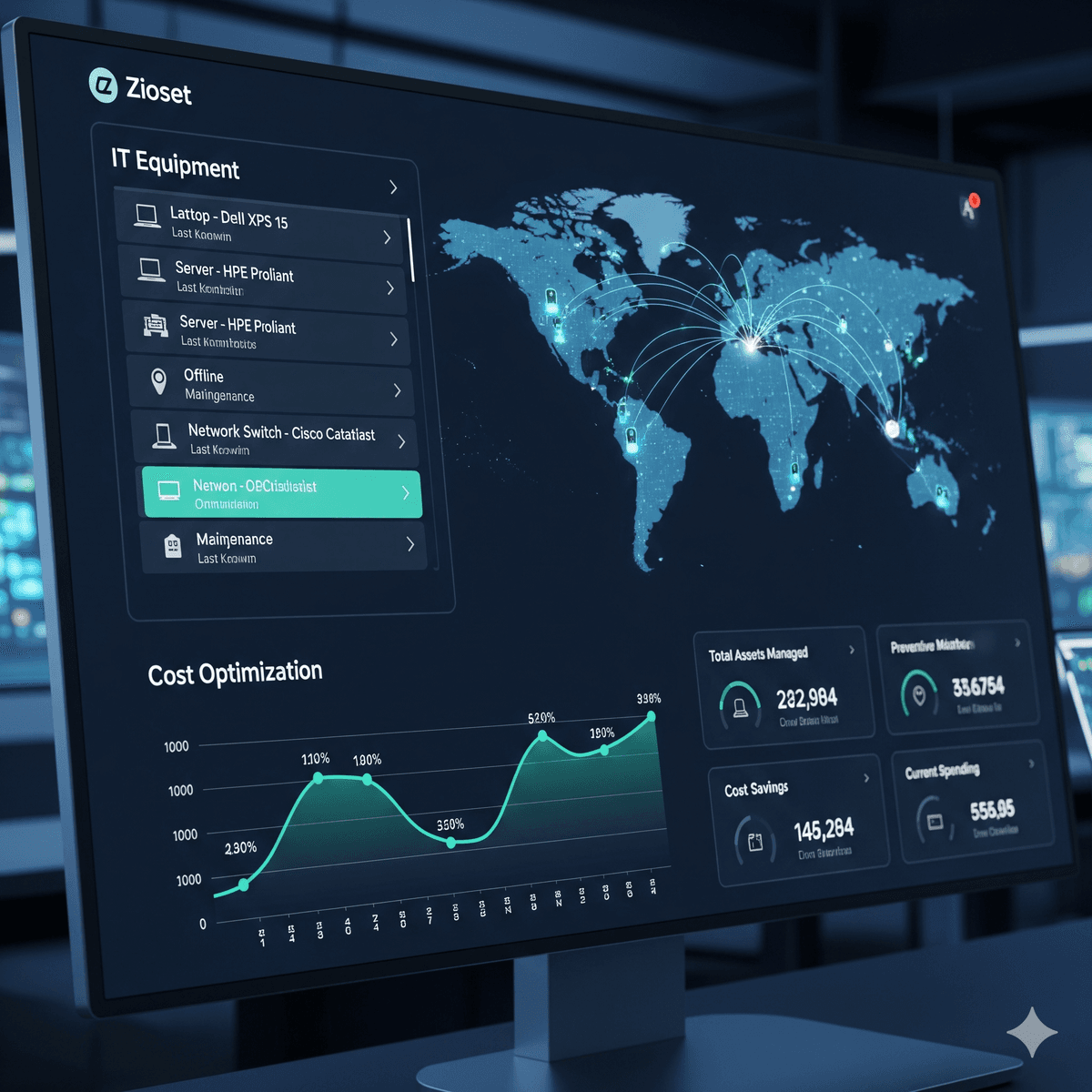
ZioSet provides secure ITAM, SAM, and lifecycle governance for public sector estates—with audit trails, role-based access, and reporting built for oversight requirements.
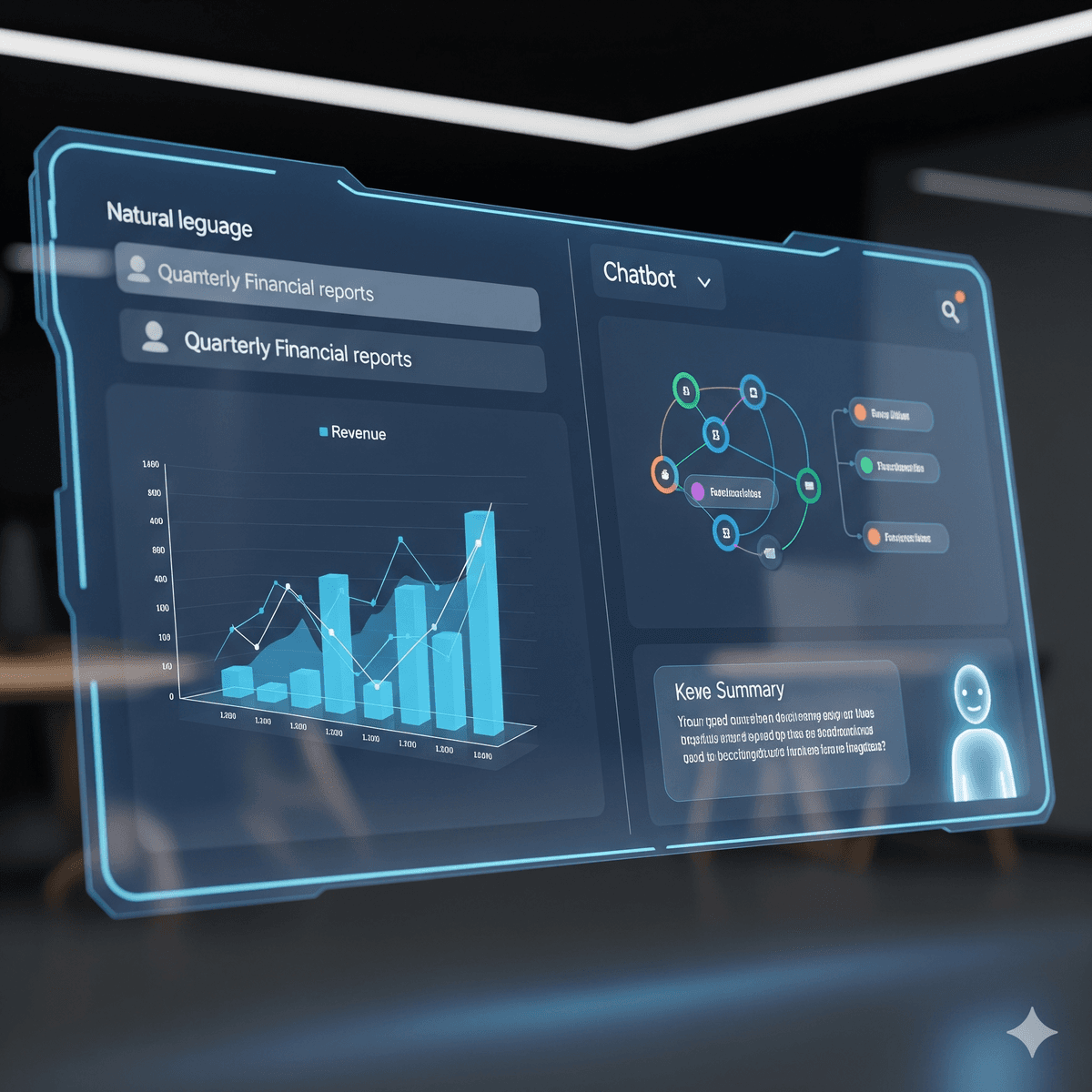
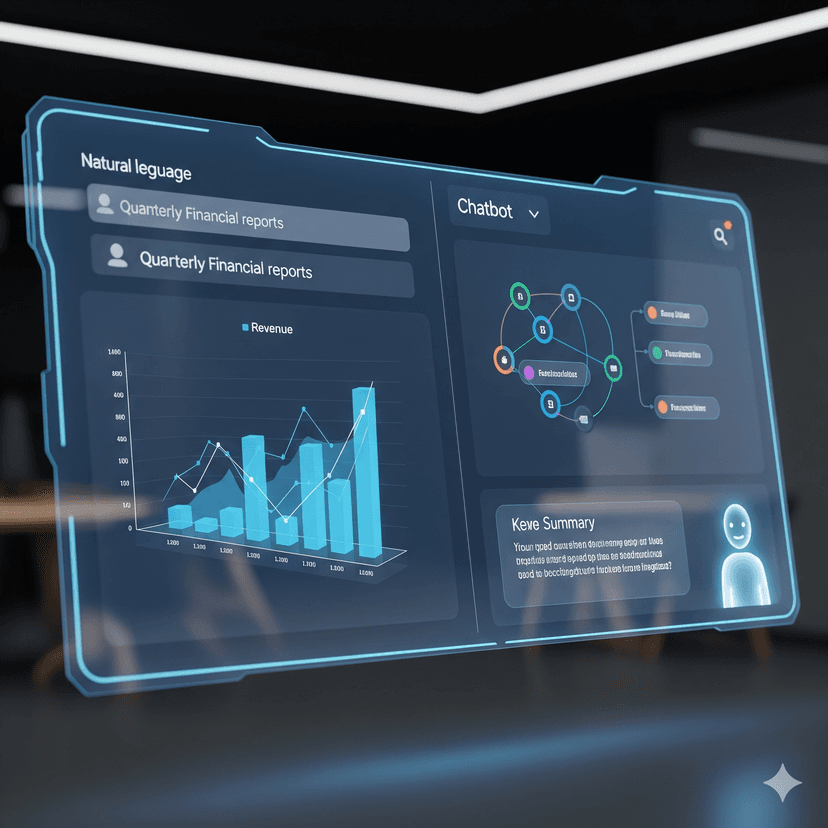
ZioBot automates citizen-facing and back-office workflows, ingests policy documents into knowledge bases, and connects agents to government systems securely.
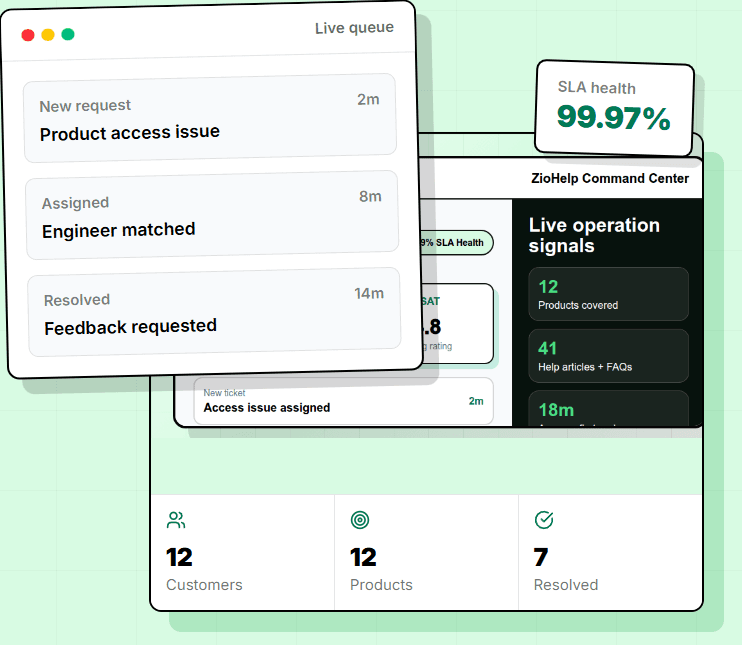
ZioHelp delivers secure, omni-channel service management for public sector IT, HR, and facilities—with SLA governance and audit trails built for oversight.
Real public sector scenarios—agency inventories, procurement compliance, oversight reporting, and secure service delivery.
Centralized agency asset inventory
Unify endpoint data from departments and field offices.
Track asset ownership, location, and custodian per bureau.
Maintain receipt-to-retirement history for every device.
Support FOIA and oversight requests with exportable reports.
Eliminate duplicate records across legacy spreadsheets.
Ready to strengthen IT governance for your agency?
See how ZioSet and ZioBot help government and public sector organizations deliver secure asset visibility, compliant procurement, and efficient public services.