
Digital health and interoperability
HHS and ONC continue advancing interoperability rules and health IT standards so providers can exchange patient data securely across systems and care settings.
HealthIT.gov — InteroperabilityMedical devices, IT assets, and facility lifecycle tracking with HIPAA-ready governance.
Healthcare organizations run on clinical endpoints, medical devices, EHR systems, and distributed facilities. Zionit unifies asset visibility, compliance, and automation—while Good Health PMS streamlines hospital operations and patient engagement.
Hospital IT spans clinical workstations, biomedical equipment, patient-facing apps, and back-office systems—each subject to strict privacy, safety, and accreditation requirements.
Infusion pumps, imaging systems, and clinical PCs each need lifecycle tracking, patch status, and secure custody across wards and clinics.
Privacy rules and accreditation surveys demand provable inventories, access controls, and audit trails for every endpoint touching PHI.
Health systems operate hospitals, outpatient centers, and labs that each maintain partial asset records unless centrally governed.
Queue management, mobile access, and coordinated care require modern platforms—not paper forms and disconnected systems.
Clinical and IT leaders struggle when fragmented systems, manual workflows, and outdated inventories slow care delivery and increase compliance risk.
Biomedical, IT, and facilities teams each track devices differently—blocking enterprise-wide visibility.
Incomplete endpoint and software records make privacy assessments and breach investigations harder and slower.
Appointment queues, doctor schedules, and patient communication still rely on phone calls and spreadsheets.
Calibration, maintenance, and disposal documentation for clinical equipment is often scattered or missing.
Clinical, administrative, and specialty applications accumulate unused licenses across departments.
Patients lack a single digital channel for records, appointments, and follow-up care coordination.
Healthcare leaders are investing in digital health, interoperability, and AI-assisted operations. These trends shape how providers govern technology and deliver care.
HHS and ONC continue advancing interoperability rules and health IT standards so providers can exchange patient data securely across systems and care settings.
HealthIT.gov — InteroperabilityGartner healthcare research examines how provider CIOs adopt AI for clinical decision support, operational efficiency, and patient engagement while managing governance and privacy.
Gartner — Healthcare ProvidersWHO digital health guidance highlights how countries scale telehealth, health information systems, and data governance to improve access and quality of care.
WHO — Digital HealthMcKinsey healthcare insights explore how health systems modernize IT infrastructure, revenue cycle, and care delivery platforms to improve outcomes and reduce administrative burden.
McKinsey — HealthcareZioSet delivers ITAM, SAM, and lifecycle governance for medical devices, clinical endpoints, and facility assets—with audit trails built for healthcare compliance.
Explore ZioSet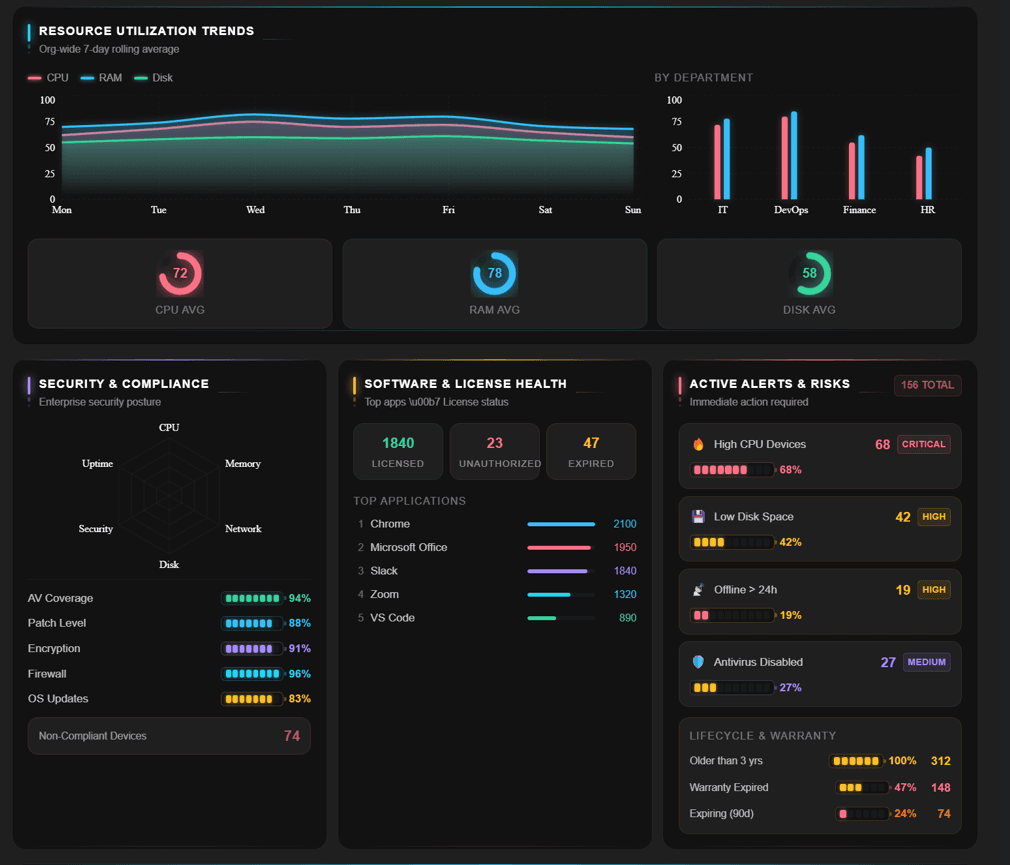
Track clinical workstations, biomedical equipment, and facility assets across hospitals and clinics.
Learn moreMaintain role-based access, change history, and reporting for privacy and accreditation reviews.
Learn moreOptimize clinical and administrative application licenses with usage-aware SAM.
Learn morePlan device refreshes for nursing stations, labs, and admin offices without disrupting care.
Learn moreRoll up asset data from hospitals, outpatient sites, and labs into system-wide dashboards.
Learn moreTrack and deploy patches across clinical workstations and care-area endpoints while maintaining HIPAA-aligned change documentation.
Learn more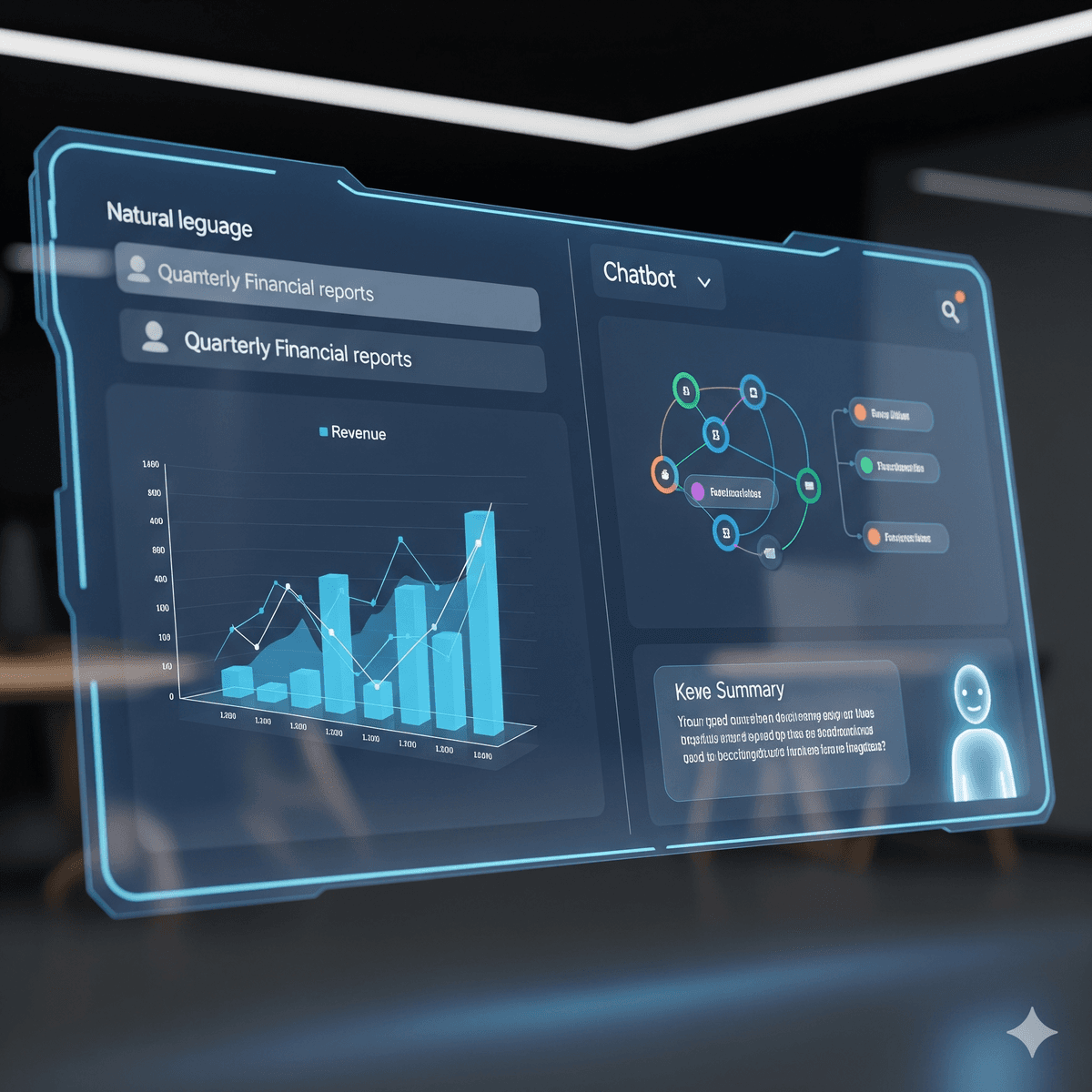
ZioBot automates clinical admin workflows, ingests policy and protocol documents into knowledge bases, and connects agents to hospital systems.
Explore ZioBotAutomate appointment routing, referral triage, and internal help-desk requests for clinical staff.
Learn moreTurn clinical protocols, policies, and SOPs into searchable AI knowledge for care teams.
Learn moreRoute common patient questions on hours, prep instructions, and follow-up care with AI agents.
Learn moreConnect agents to ticketing, scheduling, and collaboration tools used in hospital IT.
Learn moreBuild tailored agents for nursing, billing, and facilities teams without heavy custom development.
Learn moreSurface trends in requests, asset anomalies, and workflow bottlenecks through conversational analytics.
Learn moreZioHelp unifies clinical IT support, facilities requests, and cross-department service workflows—with AI L1 resolution and SLA tracking for care environments.
Explore ZioHelp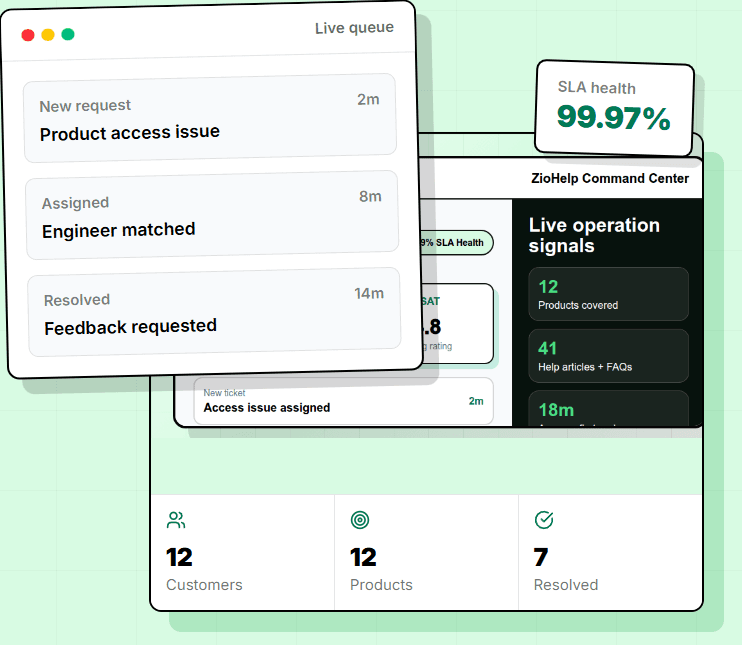
Manage nursing station, imaging, and endpoint support tickets with clear ownership and escalation.
Learn moreResolve common access, printer, and application issues before they disrupt clinical workflows.
Learn moreTrack facilities, HR, and administrative service requests alongside IT on one platform.
Learn morePrioritize tickets by severity with escalation paths for patient-facing and clinical systems.
Learn moreCapture requests from email, chat, and self-service portals across hospitals and outpatient sites.
Learn moreMaintain ticket history, assignment records, and resolution evidence for accreditation reviews.
Learn moreSimplifying Healthcare, Amplifying Outcomes
Good Health is Zionit's cloud-based hospital management system (PMS) built to streamline operations and patient care. From electronic health records and patient queue management to doctor availability and WhatsApp-based engagement—Good Health helps hospitals run efficiently while keeping patients at the center.
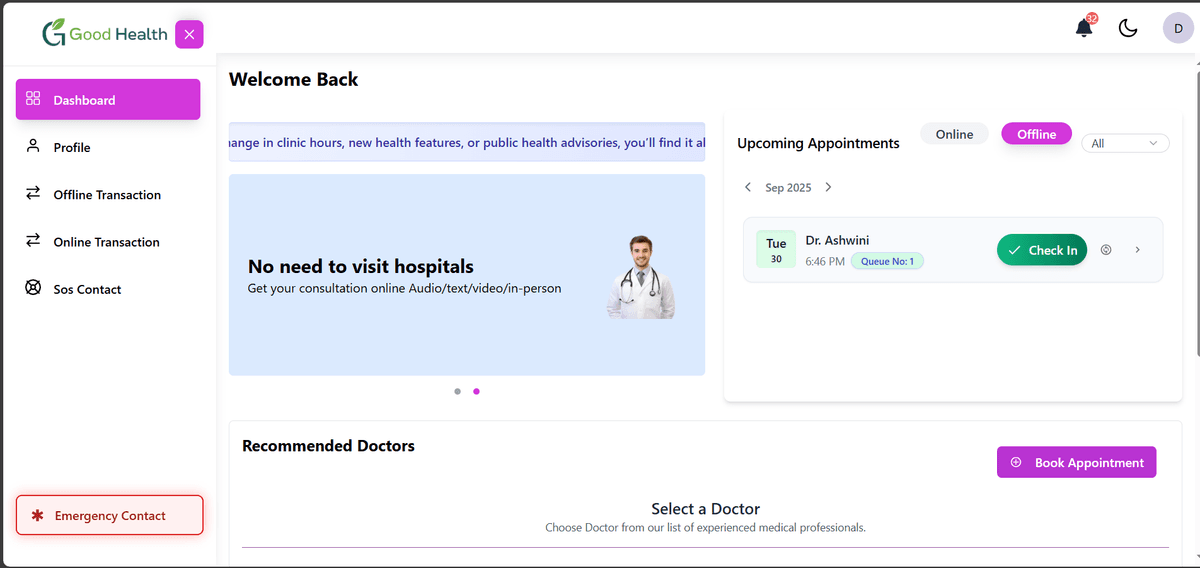
Securely store consultation notes, test reports, and medication schedules with records accessible to patients and clinicians.
Reduce wait times and front-desk congestion with organized, real-time patient flow across departments.
Coordinate schedules, slots, and on-call coverage so patients book the right specialist at the right time.
Let patients access care, records, and services from their phone—online consultations or in-person visits.
Engage doctors and patients on a familiar channel for updates, reminders, and care coordination.
Replace fragmented manual processes with one platform for hospital administration and care delivery.
Real healthcare scenarios—clinical assets, compliance, hospital operations, and patient engagement.
See how ZioSet, ZioBot, and Good Health PMS work together—asset governance, intelligent automation, and cloud-based hospital management for better outcomes.